- Distance: 53.5 km (33 miles), one way only
- Time: 4 days, 3 nights
- Start: Glade Wharf, head of Lake Te Anau (by boat from Te Anau Downs)
- Finish: Sandfly Point, Milford Sound (by boat to Milford Sound wharf)
- Highest point: Omanui/McKinnon Pass shelter, 1,154 m
- Huts: Clinton, Mintaro and Dumpling (DOC). Private lodges for guided walkers
- 2026/27 Great Walks season: 1 November 2026 – 30 April 2027 (last departure 28 April 2027)
- Hut fees, in season, per person per night: NZ$152 international adult, NZ$106 NZ adult, NZ$76 international child, NZ$53 NZ child
- Total hut cost, three nights: NZ$456 international adult, NZ$318 NZ adult
- Off-season fees (May – October): NZ$30 adult, NZ$15 child, all nationalities
- Difficulty: Intermediate in season. Advanced to expert from May to October
- Age: DOC does not recommend it for children under 10
- Mobile coverage: None
Milford Track: Quick overview
The Milford Track is a 53.5 km Great Walk through Fiordland National Park. It runs from the head of Lake Te Anau, over Omanui/McKinnon Pass, and down the Arthur Valley to Milford Sound. You walk it one way over four days and three nights, staying in Department of Conservation (DOC) huts. The 2026/27 season runs from 1 November 2026 to 30 April 2027. Almost every hut place sold out within 30 minutes of bookings opening in May.
There are still ways onto the track this summer if you don't hold a hut booking. You can walk its final section to Giant Gate Falls in a single day, either guided or at your own pace, and cruise Milford Sound the same afternoon. Alternatively, you can join the all-inclusive guided walk, which uses private lodges instead of DOC huts.
The track follows two glacier-carved valleys, the Clinton and the Arthur, joined by a 1,154 m alpine pass. Along the way you pass through beech and podocarp rainforest, subalpine tussock and alpine gardens. You'll see dozens of waterfalls, including Sutherland Falls, which drops 580 m in three leaps. The whole route lies inside Te Wāhipounamu, the South West New Zealand World Heritage Area.
It is a one-way, hut-to-hut walk. You start at Glade Wharf on Lake Te Anau and finish at Sandfly Point on Milford Sound, and there is no road to either end. During the Great Walks season all walkers must follow the set itinerary: first night at Clinton Hut, second at Mintaro, third at Dumpling. Camping is not permitted anywhere on the track.
Which Milford Track experience suits you?
- I have one day and want the track plus a cruise: a Milford Track day walk with a Milford Sound cruise.
- I want to learn about the forest, birds and history as I walk: a guided day walk in a small group.
- I want to walk at my own pace and keep costs down: a self-guided day walk with a water taxi and cruise.
- I'm based in Te Anau and don't want to drive: a day walk and cruise package with return coach from Te Anau.
- I want the full four days but missed the DOC huts: the guided multi-day walk with private lodges.
- I have DOC hut bookings: book your track transport now, as boat and bus seats sell out too.
Ways to experience the Milford Track
| Option | Time on track | Distance | Hut booking needed? | Season | Best for |
|---|---|---|---|---|---|
Self-guided day walk + cruise | Up to about 4 hrs | About 11 km return | No | Summer season only | Independent walkers, lower budget |
Guided day walk + cruise | About 3.5 hrs | About 11 km return | No | Summer season only | First-timers, nature and history lovers |
Day walk + cruise from Te Anau | About 11 hrs door to door | About 11 km return | No | Late Oct – Apr | Te Anau stays, no self-drive |
Independent Great Walk | 4 days, 3 nights | 53.5 km one way | Yes (DOC) | 1 Nov – 30 Apr | Self-sufficient trampers |
Guided multi-day walk | 5 days, 4 nights incl. transport | 53.5 km one way | No (private lodges) | Nov – Apr | Comfort, no pack-heavy tramping |
Milford Track at a glance
Milford Track day walk: Sandfly Point to Giant Gate Falls
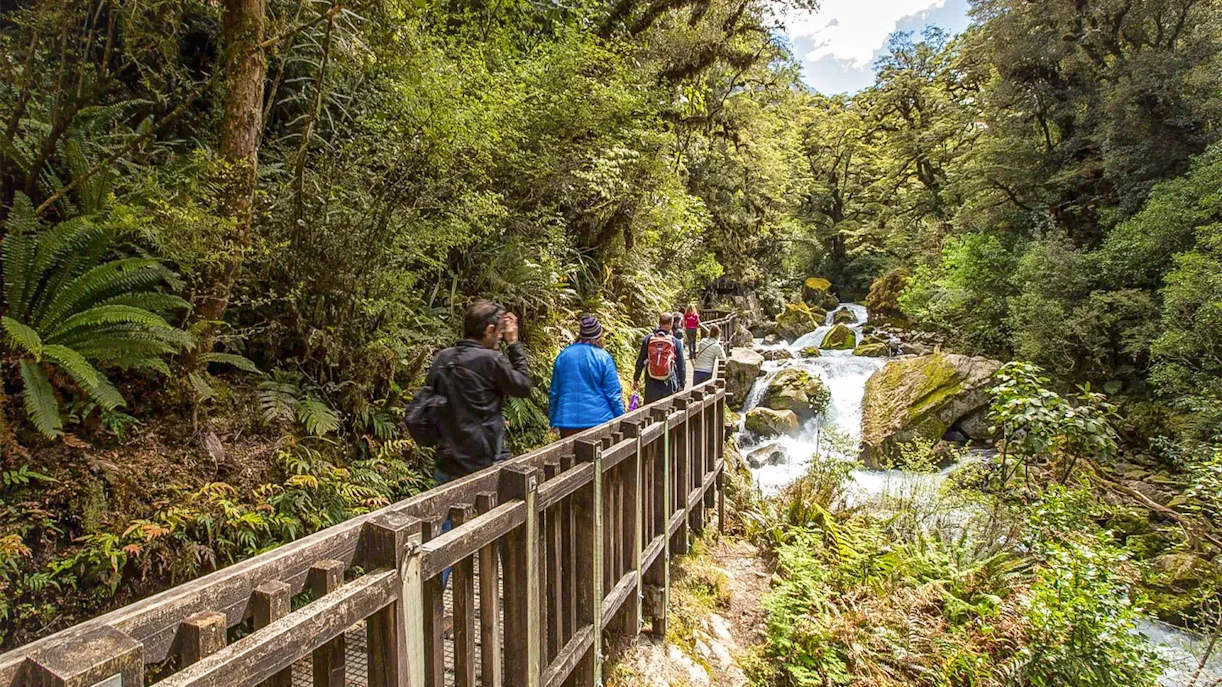
The day walk covers the final section of the Great Walk in reverse, and it's the most accessible way to walk the Milford Track.
How it works
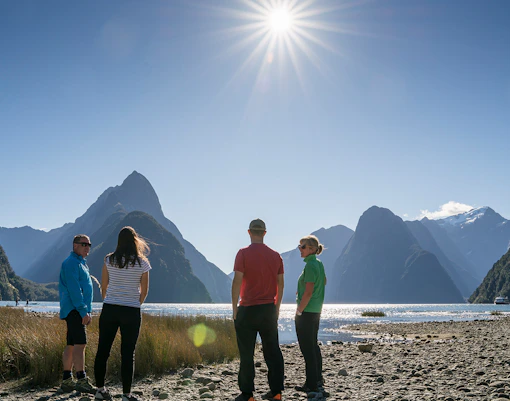
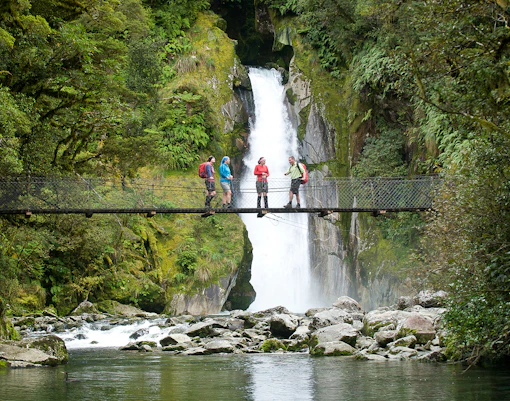
A short water taxi crosses Deepwater Basin to Sandfly Point, where multi-day walkers finish their journey. From there the track heads inland, flat and well-formed, through beech forest beside the Arthur River. It follows the shore of Lake Ada, where parts of the track were hand-cut into the rock by a prison labour gang in 1890–92. The turnaround point is Giant Gate Falls, seen from a swing bridge over the river. You then walk back to Sandfly Point for the boat, about 11 km in total.

What you'll see
Moss-draped beech forest, the clear Arthur River, and views across Lake Ada to the valley walls. At Giant Gate Falls, a broad cascade drops into a swimming hole. Look for forest birds such as fantails, tomtits, bellbirds and the flightless weka, and in wet weather a curtain of waterfalls on the valley sides.
Fitness & season
Easy to moderate. The track is mostly flat, with some roots, rocks and wet sections. Allow three and a half to four hours at a relaxed pace.
Commercial day walks run in the summer season, typically from late October to the end of April.
Pairing it with a cruise
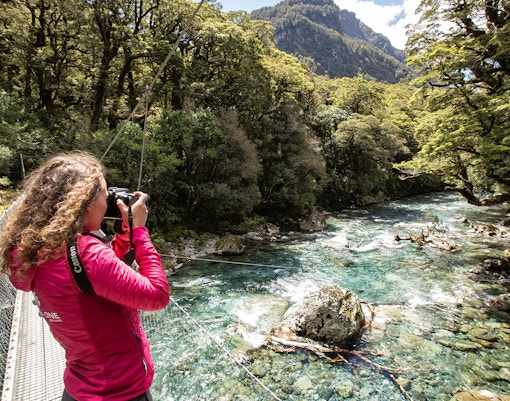
Most day walk products combine the walk with a Milford Sound cruise, either walk first and cruise after, or the reverse, depending on departure time. Packages from Te Anau add return coach travel on the Milford Road, making a long but low-stress day.
The full Milford Track, day by day
Day 1: Glade Wharf to Clinton Hut, 5 km, 1–1.5 hrs
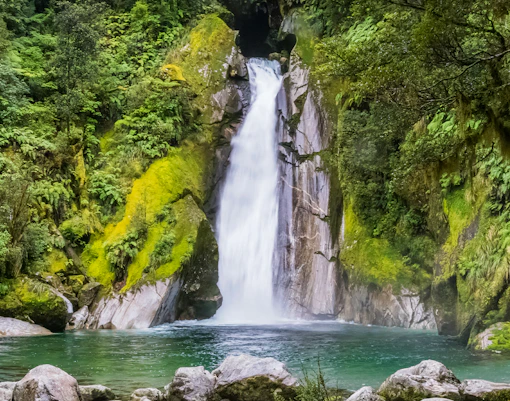
The journey begins with a 75-minute boat trip up Lake Te Anau from Te Anau Downs. From Glade Wharf, a gentle, wide track follows the Clinton River through beech forest to Clinton Hut. It's a short afternoon, so there's time to swim in the river or take the 15-minute wetland boardwalk before dinner. All independent walkers spend their first night here.
Day 2: Clinton Hut to Mintaro Hut, 17.5 km, about 6 hrs
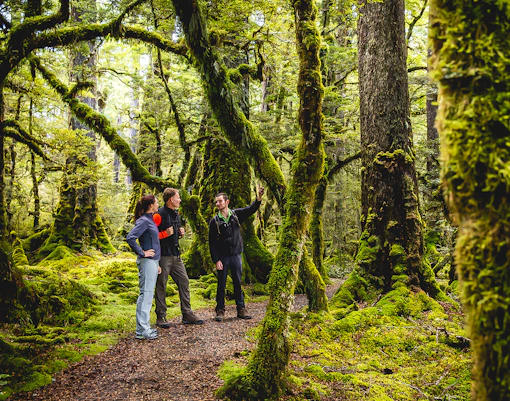
A steady, gentle climb up the Clinton Valley. The valley narrows beneath granite walls more than 1,000 m high, and waterfalls pour off them after rain. Past Hirere Falls you get your first view of the pass and the Pompolona icefield. Short detours lead to Hidden Lake and Prairie Lake before the track climbs into subalpine scrub near Mintaro Hut.
Day 3: Mintaro Hut to Dumpling Hut, 13 km, 6–7 hrs
This is the big day. Zigzags climb more than 500 m to the memorial to explorer Quintin McKinnon, then continue to the Omanui/McKinnon Pass shelter at 1,154 m. On a clear day you look down both valleys and across a ring of peaks. The descent drops about 1,000 m beside the Roaring Burn, past cascades and through alpine gardens, to Quintin Shelter. From there, a side trip of about 90 minutes return takes you to the foot of Sutherland Falls, 580 m high and fed by Lake Quill. Don't skip it.
Day 4: Dumpling Hut to Sandfly Point, 18 km, 5.5–6 hrs
The longest day follows the Arthur River past the historic boatshed, Mackay Falls and the hollow Bell Rock. It then runs along Lake Ada, past Giant Gate Falls, to Sandfly Point. You need to reach the shelter in time for the early-afternoon boat to Milford Sound, so start early.
Plan Your Visit to Milford Track
There is no vehicle access to either end, so you must book all transport in advance.
- To the start: Travel from Te Anau to Te Anau Downs by bus or car, about 30 minutes. Then take a boat to Glade Wharf, about 75 minutes. Combined packages also run from Queenstown.
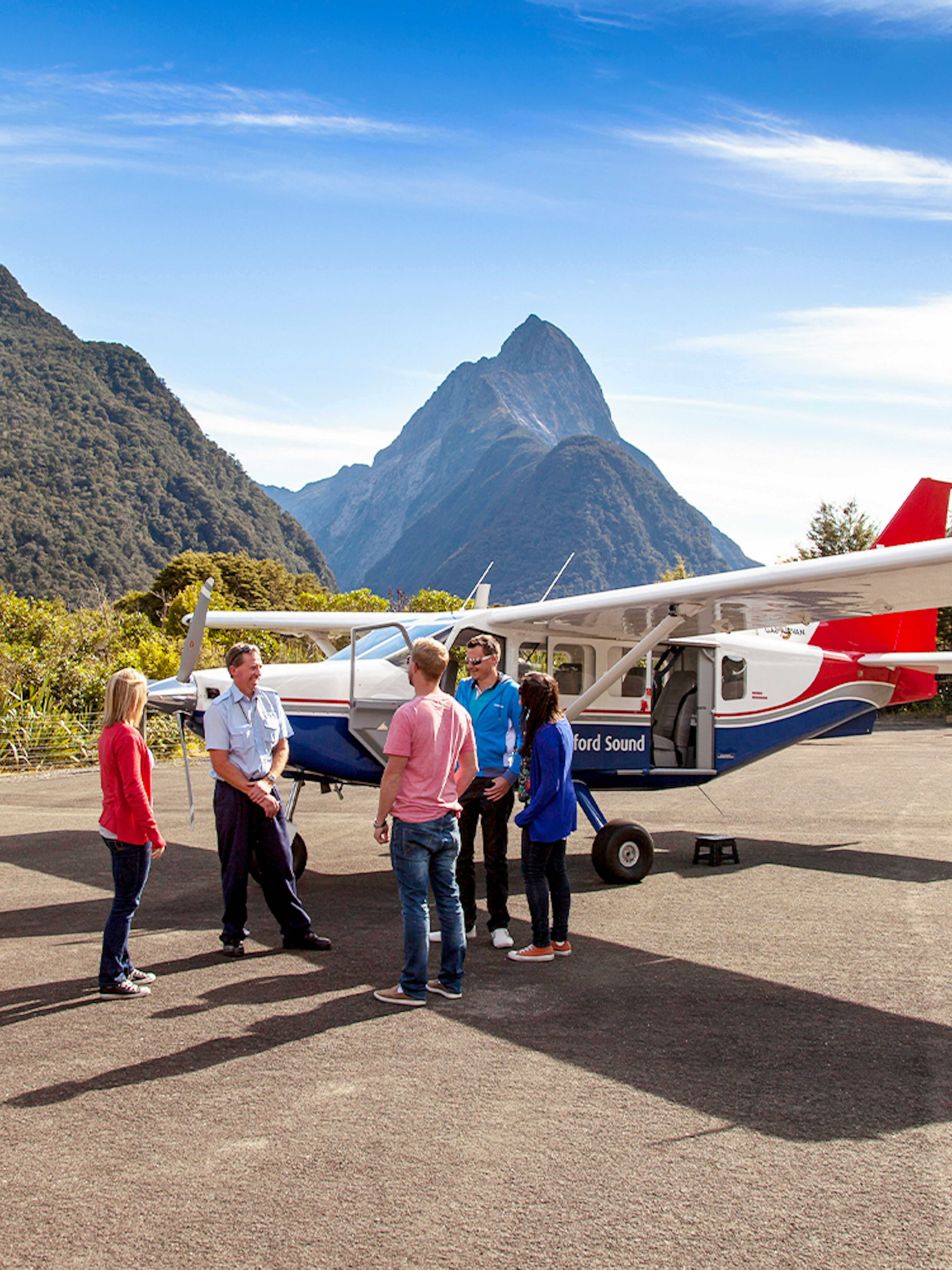
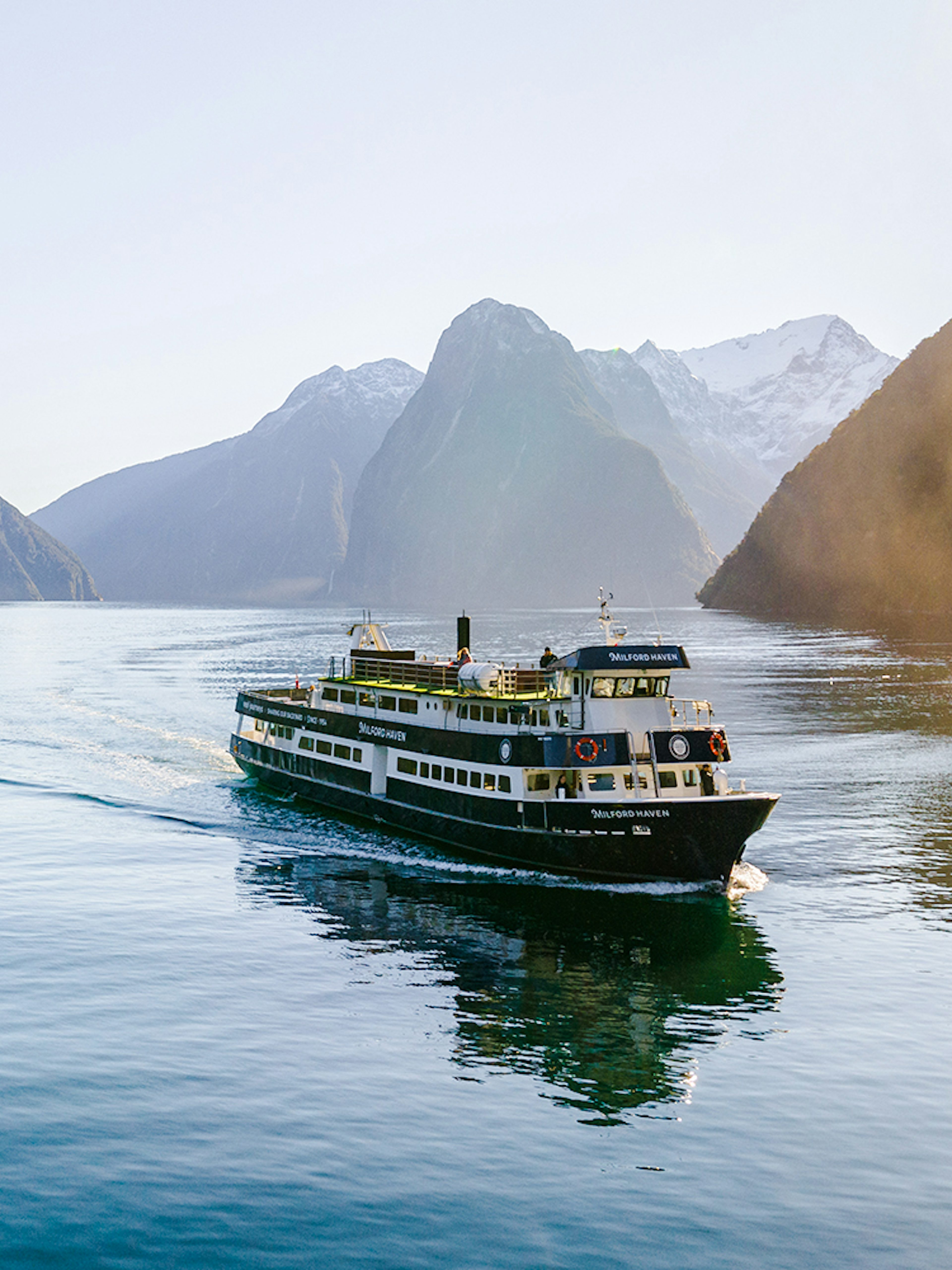
- From the finish: A boat runs from Sandfly Point to the Milford Sound wharf in about 20 minutes. From there, buses head back to Te Anau and Queenstown, or you can take a scenic flight out.
- Parking: If you drive to Te Anau Downs, you leave your car there for four days. Many walkers instead base themselves in Te Anau and use a shuttle.
Day walkers reach Sandfly Point by water taxi from Deepwater Basin in Milford Sound, a crossing of about 10 minutes.
- November: The start of the season, with long days and fresh green growth. Snow can linger on the pass, and avalanche risk can extend into December, so DOC may helicopter walkers over risky sections at their own cost.
- December to February: Peak summer, with the warmest temperatures, the longest daylight and the most demand. Sandflies are at their busiest.
- March and April: Quieter, cooler and often more settled weather. Days shorten noticeably by April.
- May to October: Outside the Great Walks season, the track is not closed but becomes a serious alpine route. Bookings are still required, at the reduced NZ$30 rate. Rangers leave, gas and flush toilets are removed, and avalanche-prone bridges are taken out. DOC does not manage flood or avalanche risk. Over 57 avalanche paths cross or reach the track. This is only for experienced trampers with alpine, navigation and river-crossing skills, avalanche equipment and a distress beacon.
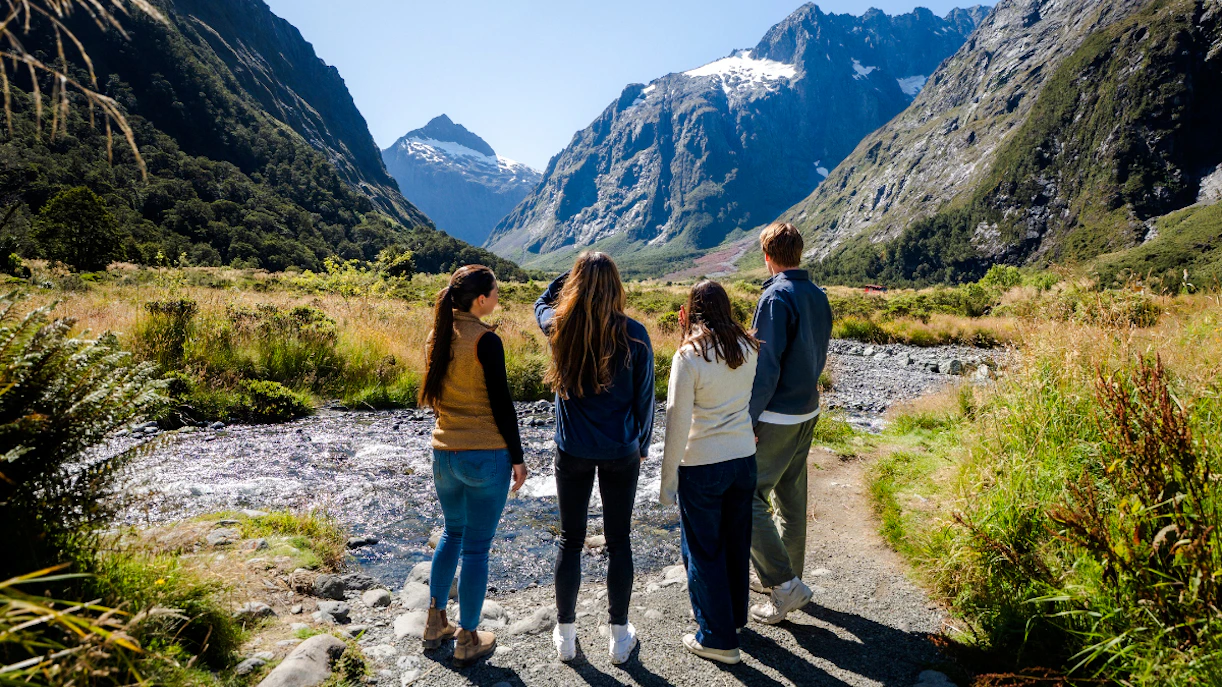
Fiordland is among the wettest places on earth, with up to 9 m of rain a year. It can rain for days, and snow, gales and cold can hit in any month. When it pours, the Clinton and Arthur valleys can flood, and DOC may hold walkers in huts until rivers drop. Rain also sets off hundreds of waterfalls, which many walkers remember as a highlight.
Before you go, check the NIWA forecast for Mackinnon Pass and the DOC alerts page. Carry enough food for an extra day, and don't book a flight home on the day you finish. Travel insurance is recommended, as weather closures can change your itinerary.
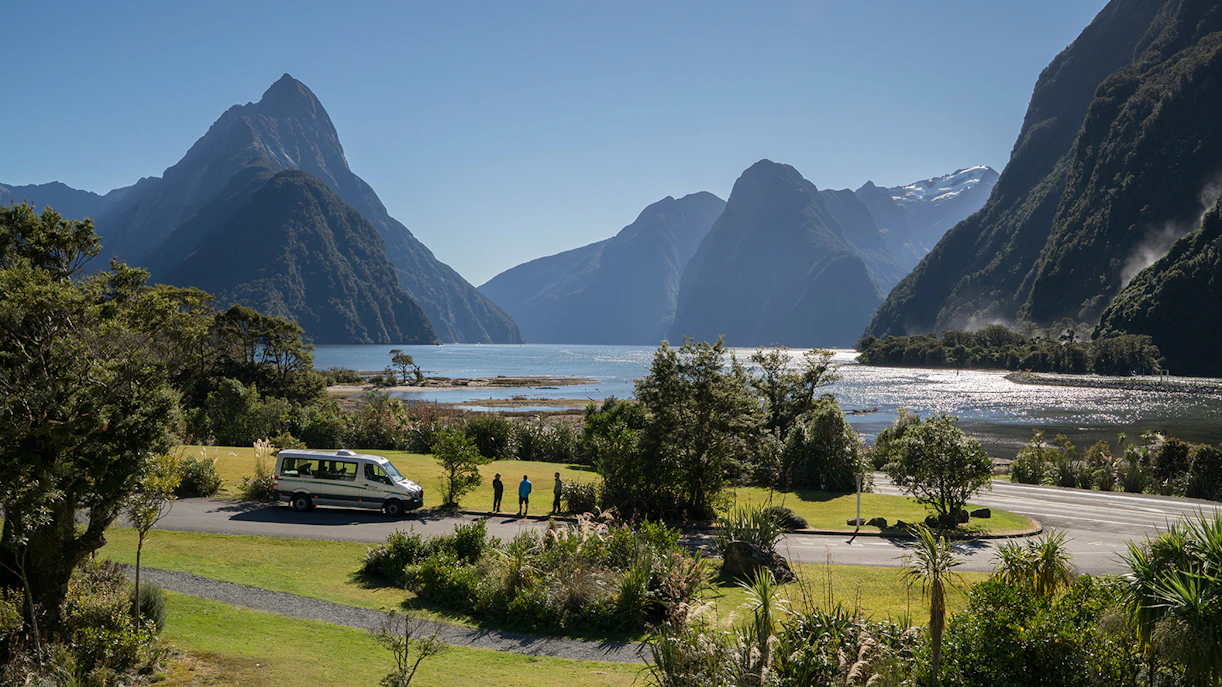
In season, DOC grades the Milford Track as an Intermediate track. There are no technical sections, but it's a real multi-day tramp: you carry everything for four days, and the terrain can be rough, muddy and slippery. The hardest part is day three, with a climb of more than 500 m followed by a knee-testing descent of about 1,000 m. Day four is 18 km and needs an early start. If you can walk six to seven hours with a 12–15 kg pack, you'll manage. Training walks with a loaded pack in the weeks before help a lot.
Essentials:
- A 40–60 litre pack with a waterproof liner
- A 3–4 season sleeping bag (bunkrooms are unheated)
- A waterproof, windproof jacket with a hood, and overtrousers
- Wool or synthetic layers for walking, plus a dry set for the huts
- A warm hat and gloves
- Broken-in boots
- Cooking utensils, a plate, a cup and a pot
- All food for four days, plus spare
- A 1–2 litre water bottle
- A head torch
- A first aid kit with blister care
- A survival blanket and whistle
- Earplugs
- Your booking confirmation and ID
Also useful: Gaiters, light hut shoes and insect repellent. Sandflies are relentless at Sandfly Point, and the name is no joke.
What's provided in DOC huts: Bunks with mattresses, heating in the common room, gas cookers, toilets, solar lighting and cold running water. A resident ranger gives evening talks. There are no showers and no food for sale.
- Didymo: This invasive algae is present in Lake Te Anau and Milford Sound but not in the Clinton or Arthur rivers. Check, Clean and Dry your boots and gear between the lakes and rivers, and don't fill bottles or swim in the lakes before entering the rivers.
- Leave no trace: There is no rubbish collection on the track, so carry out everything you carry in.
- Kea: These cheeky alpine parrots will investigate boots and packs left outside. Keep your gear inside, and never feed them.
Wildlife and plants on the Milford Track
The track climbs from lowland rainforest to alpine herbfields in a single day, so the plant life changes fast. Silver, red and mountain beech dominate the valleys, draped in mosses, lichens and ferns. Above the bushline, look for Mount Cook buttercups and mountain daisies in early summer. Common birds include fantails, tomtits, robins, bellbirds, tūī and weka. Kea patrol the pass, and whio (blue duck) live on some fast-flowing rivers in the region. At night you may hear a kiwi or a morepork.
History of the Milford Track
Long before European explorers arrived, Māori travelled through Fiordland to gather pounamu (greenstone) from the Milford Sound area. The variety found there, tangiwai, was prized for ornaments and trade.
In 1880, Donald Sutherland and John Mackay explored inland from Milford Sound up the Arthur Valley and found the waterfalls now named after them. In 1888, Quintin McKinnon and Ernest Mitchell crossed the pass from the Lake Te Anau side, linking the lake and the sound on foot. McKinnon became the track's first guide. Tourists were walking the route by 1889, and prison labour cut the final stretch beside Lake Ada in 1890–92.
The pass now carries the dual name Omanui/McKinnon Pass, recognising its Māori name alongside the explorer's.
Learn more about Milford Sound
Handy tips for Milford Track
- Go with a guide: A Milford Track guided walk covers logistics and adds cultural and ecological insights you’d miss on your own.
- Pack for all weather: Fiordland is famously unpredictable. Bring waterproof layers, windproof jacket, sturdy boots, and a rain cover for your pack.
- Beat the sandflies: They bite. Carry insect repellent and wear light, long-sleeved clothing.
- Gear checklist: Map, compass, whistle, portable charger, and a water bottle (add purification tablets for safety).
- Footwear strategy: Use sturdy boots for rough terrain and lightweight shoes for river crossings.
- Emergency prep: A small first aid kit and space blanket are must-haves.
- Leave no trace: Carry out all rubbish and respect Fiordland’s pristine environment.
- Huts & bookings: Space is limited. Book DOC huts well ahead, especially in peak season. Respect quiet hours; earplugs help if you’re a light sleeper.
Adventure activities on Milford Track

Hiking and Trekking
Traverse the 53.5-kilometer trail, taking on challenging sections like Mackinnon Pass for sweeping views of the area.
River Crossings
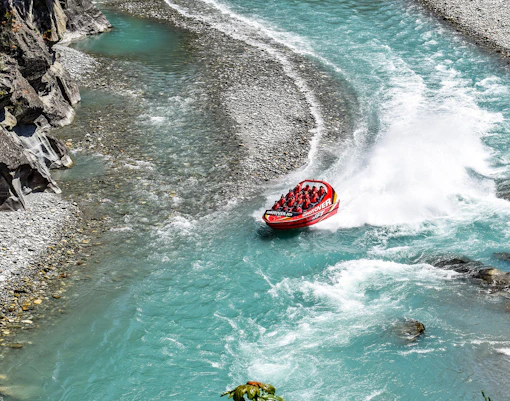
Experience the thrill of crossing pristine rivers, adding an adventurous element to the trek.
Waterfall Exploration
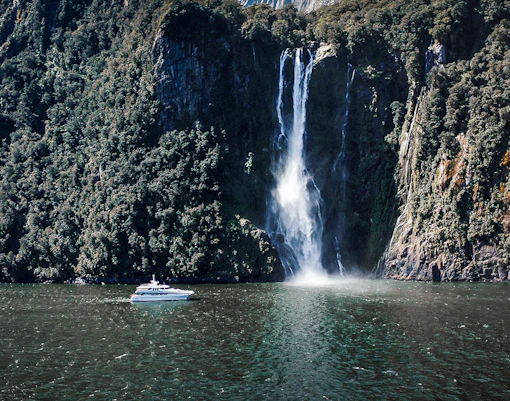
Take in the beautiful Sutherland Falls and others, and have a grand time in the natural beauty of Fiordland.
Wildlife Spotting
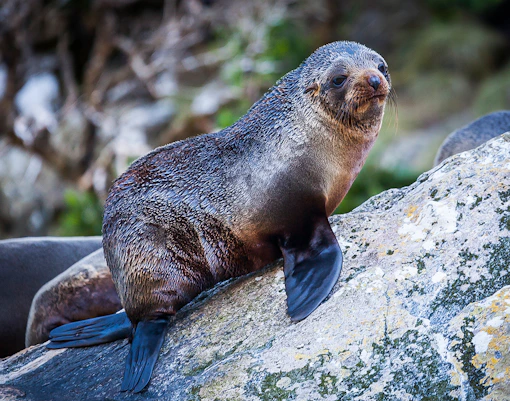
Observe native birds like the Weka and other wildlife species in their natural habitat.
Camping/Tramping
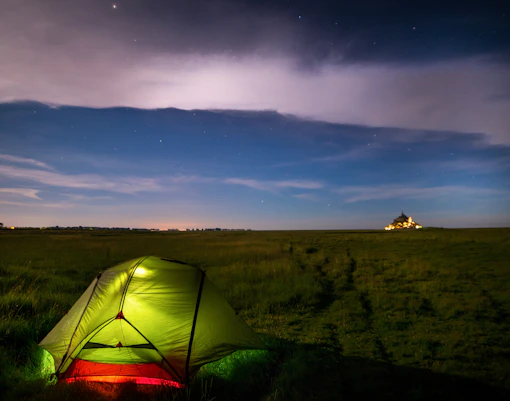
Opt for multi-day hikes with overnight stays in comfortable huts, enhancing the adventure experience.
Frequently Asked Questions About Milford Track at Milford Sound
The Milford Track is a renowned 53.5-kilometer hiking trail in Fiordland National Park, New Zealand, celebrated for its spectacular landscapes, including Sutherland Falls and Mackinnon Pass.
Yes, you can visit both Milford Track and Milford Sound as part of your tour.
At Milford Track, you can enjoy hiking through pristine landscapes, watching iconic waterfalls, exploring native wildlife, boarding a scenic cruise to Milford Sound, and going on guided tours to learn about the region's ecology and culture.
Milford Track tours showcase Sutherland Falls, Mackinnon Pass, native wildlife, amongst other landscapes. Guided tours provide insights into the area's natural and cultural significance.
Milford Track guided walks are open during the Great Walks season, typically from late October to late April. Exact dates may vary, so checking them before you plan your Milford Track hike is advisable. Booking your tour in advance is recommended.
Milford Track is located in Fiordland National Park. The Milford Track starts at Glade Wharf and ends at Milford Sound, South Island, New Zealand.
DOC huts cost NZ$152 per night for international adults and NZ$106 for New Zealand adults in the Great Walks season, so NZ$456 or NZ$318 for three nights. Transport, food and gear are extra.
The Milford Track isn't wheelchair accessible due to its rugged terrain, challenging elevation changes, and remote location. If you wish to experience Milford Sound however, the cruises and scenic flights are accessibility-friendly.
Yes, photography is allowed and encouraged at Milford Track. Mark your visit by capturing memories of your time at the world’s 8th natural wonder.
Pack essentials like waterproof clothing, sturdy hiking boots, a backpack, food, water, sunglasses, sunscreen, a hat, insect repellant, a power bank, and a camera. Check the weather forecast and pack accordingly for changing conditions.
The track spans 53.5 kilometers (33.2 miles) and it will take you around 4 days to complete the Milford Track trek. However, a one-day Milford Track guided walk will take around 5 to 7 hours.
Options include guided tours with informative commentary, independent hikes with tea breaks at the Giant Gate Falls, and boat cruises on Milford Sound. Check out your Milford Track tour options before planning your trip.
For convenient access to Milford Track, opt for a day tour with included transfers, making your visit hassle-free. If you’re also short on time or not up for the full 53.5 km trek over four days, consider a shorter Milford Track tour, allowing you to explore key sights with an expert guide.
DOC doesn't recommend the full track for children under 10. The day walk to Giant Gate Falls is fine for families with school-age children.
It starts at Glade Wharf at the head of Lake Te Anau, reached by boat from Te Anau Downs. It finishes at Sandfly Point on Milford Sound, where a boat takes you to the Milford Sound wharf.