How Headout makes choosing experiences effortless
We curate the best ways to experience
We research and organise all unique experiences - from tickets to tours to special combos - so you get all the choices without the clutter.
We partner with the best
Every supplier is vetted for quality, reliability, and value so you only get top rated experiences. No surprises, no disappointments.
All the best options, in one place
Each experience is thoughtfully organised to give you maximum availability, great value and an easy way to choose.
Book with complete peace of mind
Free cancellations, Flexible payments, and 24/7 support - thoughtfully designed for flexibility, assurance, and total peace of mind.
Slide 1 of 41/4

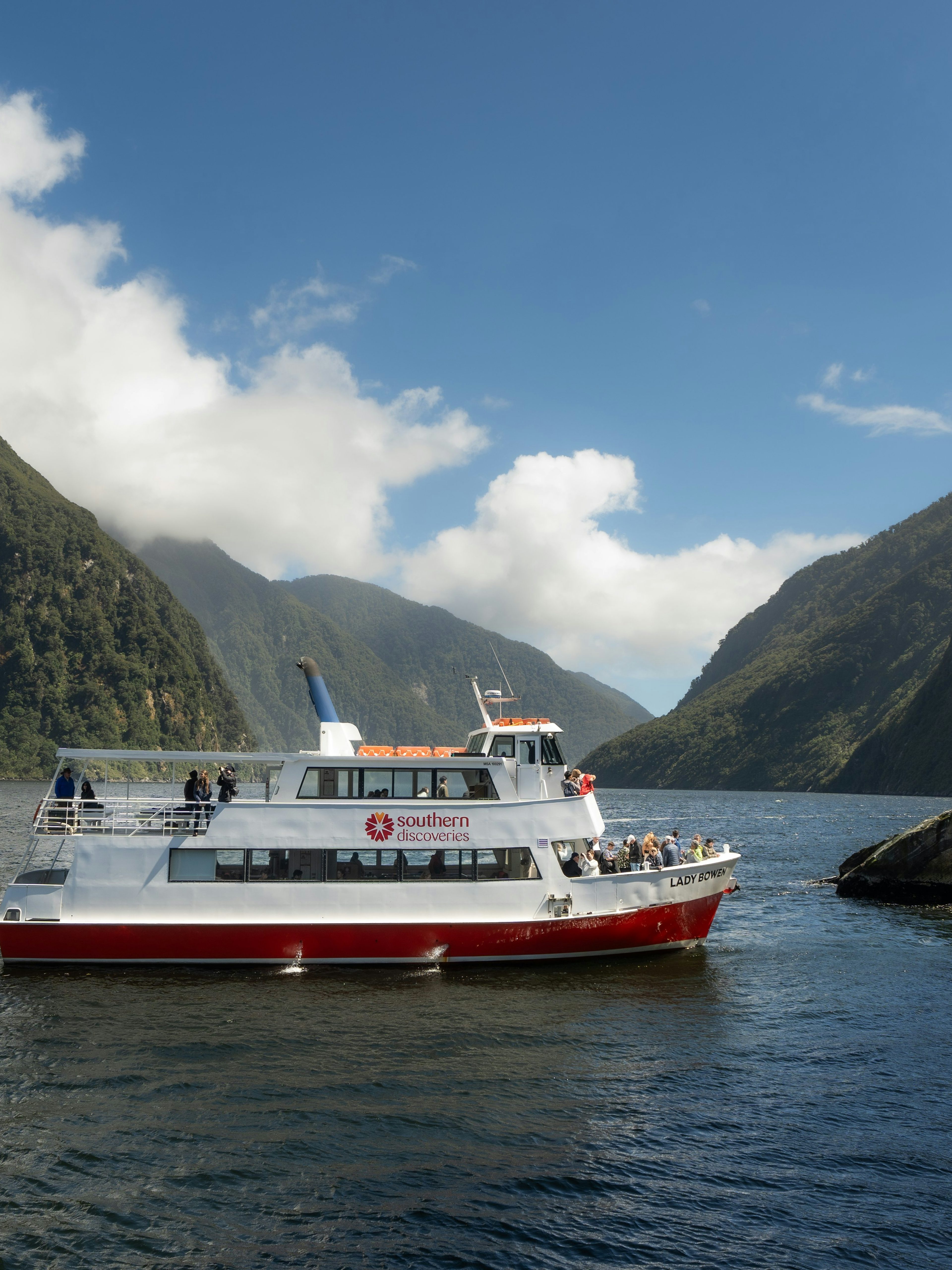
Milford Sound cruise: Quick overview
- Ways to experience: Cruise-only suits self-drivers. Other options add coach transfers from Queenstown or Te Anau, scenic flights, helicopter returns, overnight cabins, or small-group touring.
- Additional access: Depending on the option, you may get hotel pickup, picnic or buffet lunch, tea and coffee, reserved seating, private lounge access, or guided road stops.
- Unique experiences: Some itineraries add sheep farm visits, guided Milford Track walks, kayaking, overnight shoreline excursions, or glacier and alpine landings with return flights.
- When to book: Book 30+ days ahead for November to March, especially small-group, overnight, and flight options. Midday departures feel busiest because most coaches arrive then.
- Good to know: Cruises last 1 hour 45 minutes to 2 hours 15 minutes. Queenstown day trips take 9 to 13 hours. Rain usually means fuller waterfalls.
- Best upgrade: Pick a small-boat or VIP cruise for fewer people, faster boarding, and better viewing. Upgrade to fly-cruise only if road time is your main concern.
Compare ticket options →
Which Milford Sound cruise ticket is best for you?
| Ticket type | What’s included | Why choose this | Price from |
|---|---|---|---|
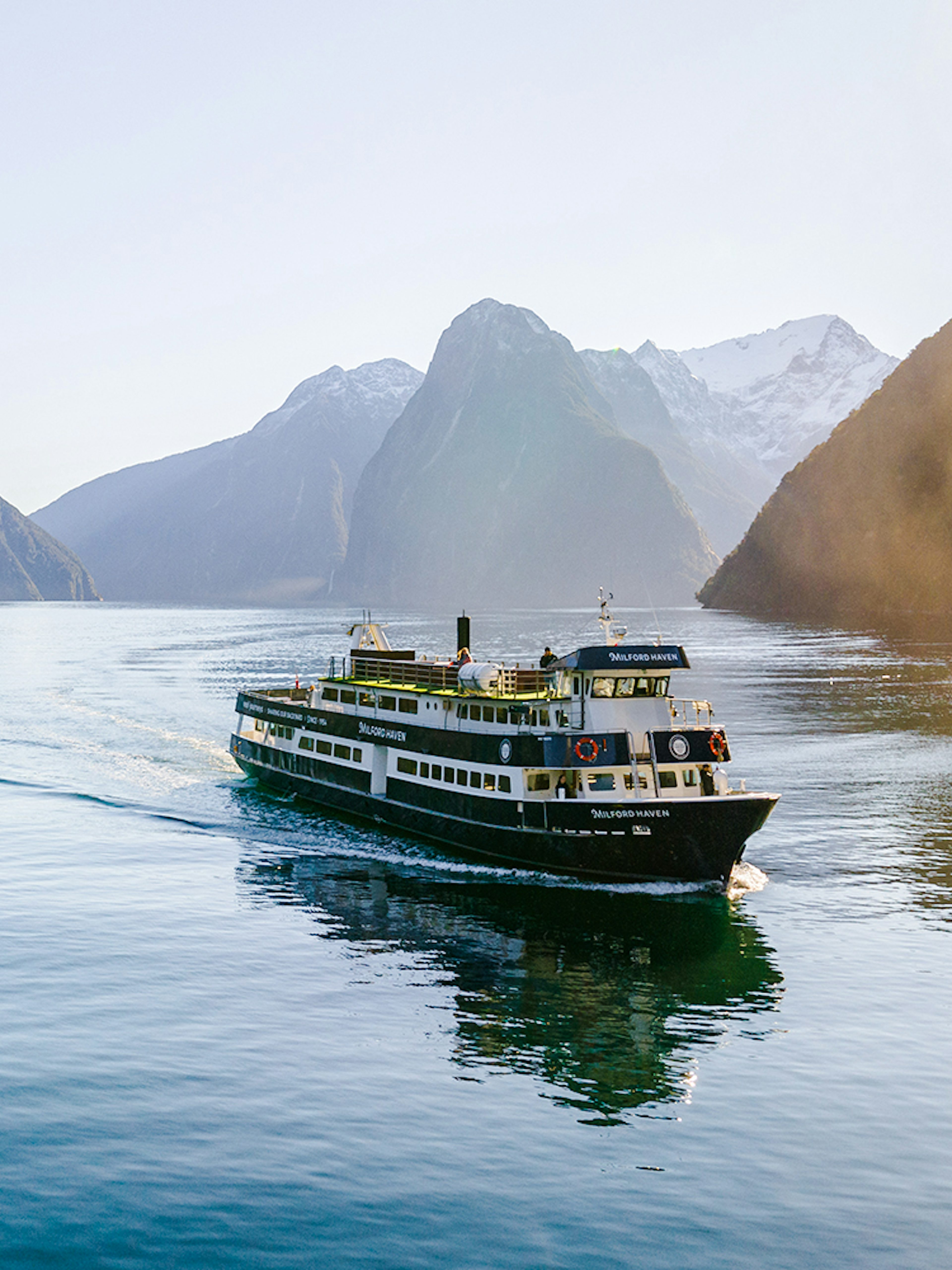
Standard Cruise | 1 hr 45 min–2-hour cruise, indoor/outdoor viewing areas, tea & coffee | Lowest-cost way to see Milford if you’re self-driving and only need the core cruise. | NZ$152 |
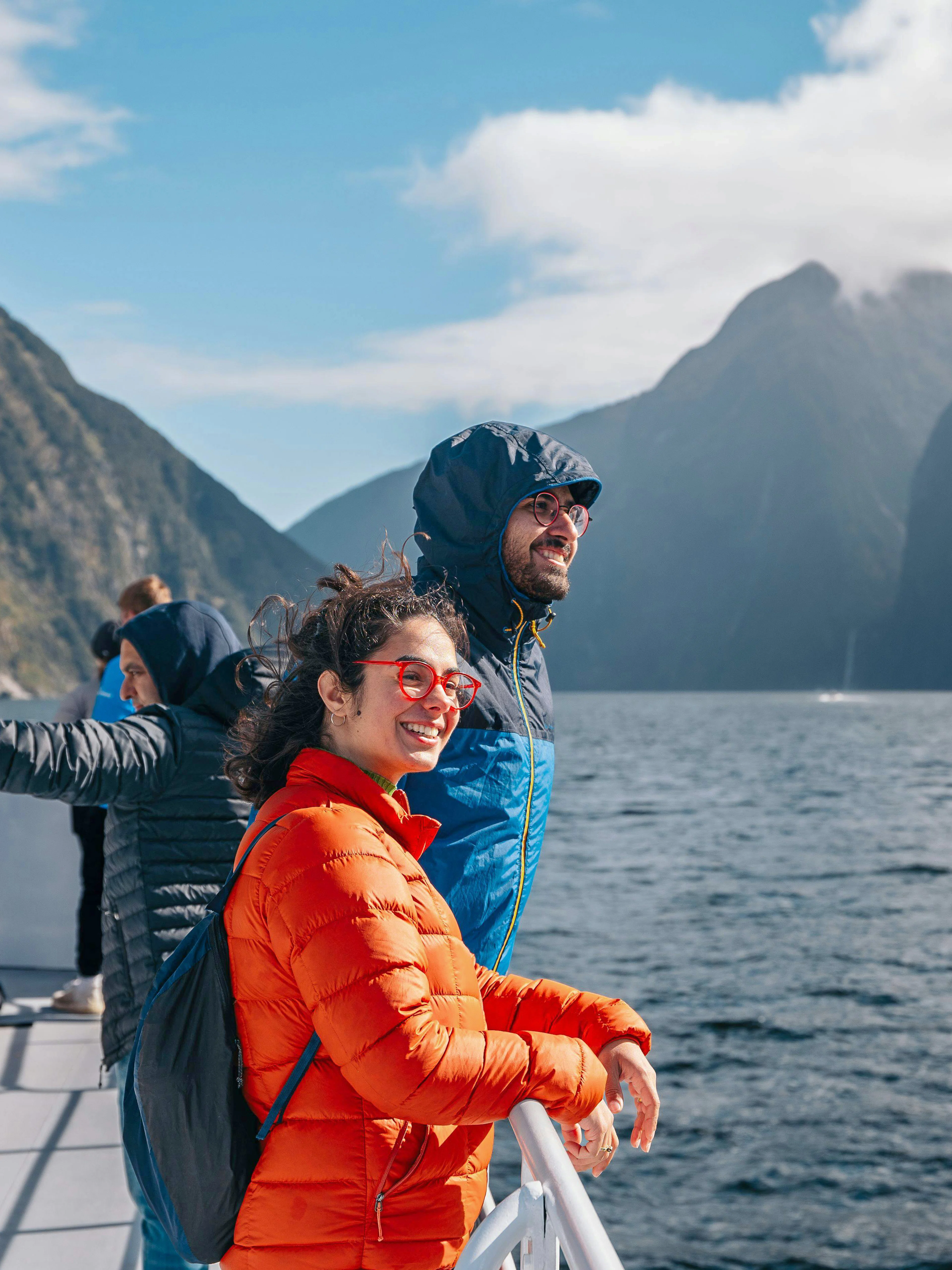
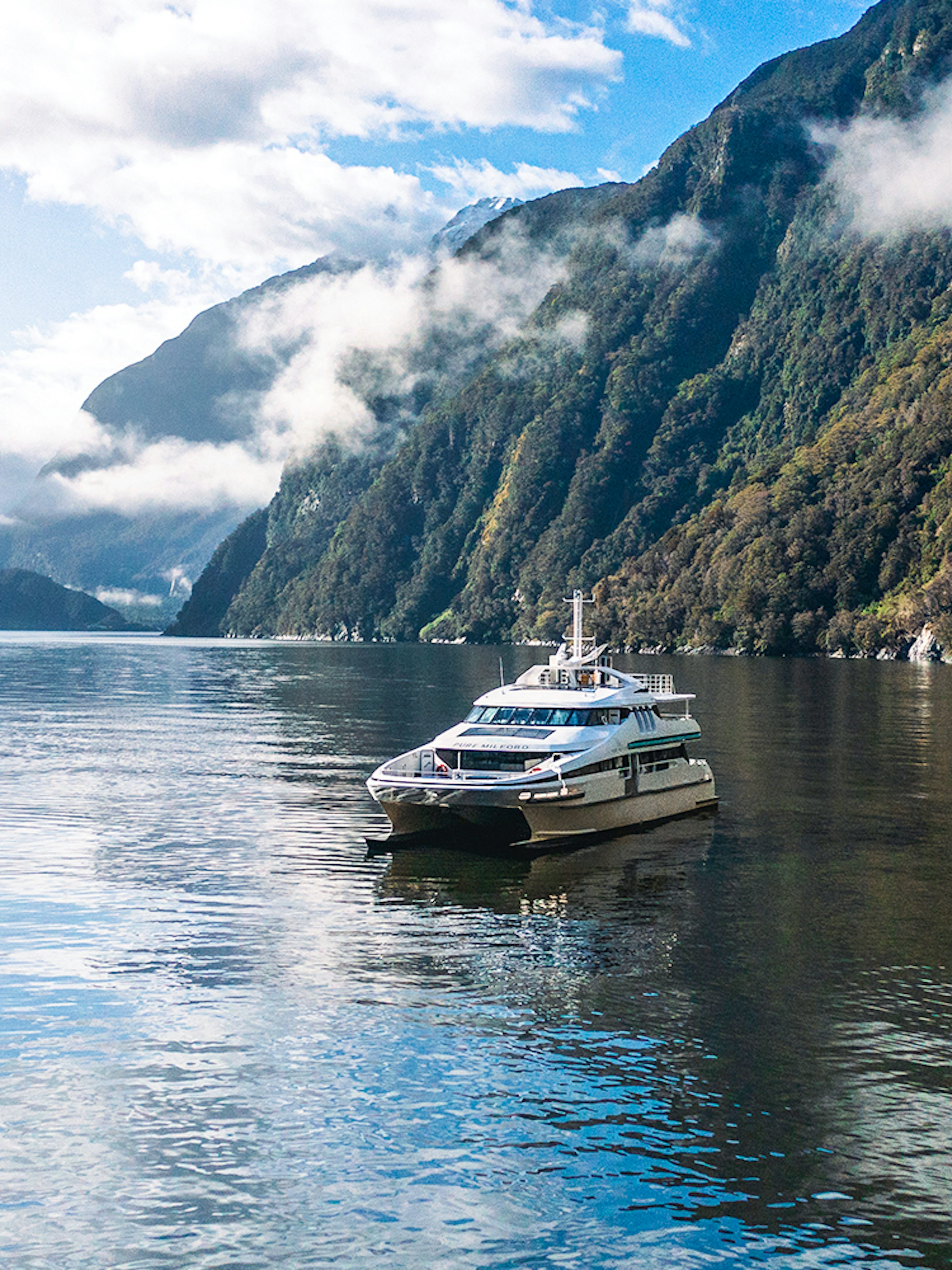
Small-Boat Cruise | Max 75 guests, close waterfall approaches, live skipper commentary | Quieter decks and better photo angles, without paying for flights or an overnight stay. | NZ$169 |
Coach & Cruise | Return coach transfers, scenic road stops, 2-hour cruise | Easiest all-in-one option if you don’t want to drive SH94 or manage parking. | NZ$245 |
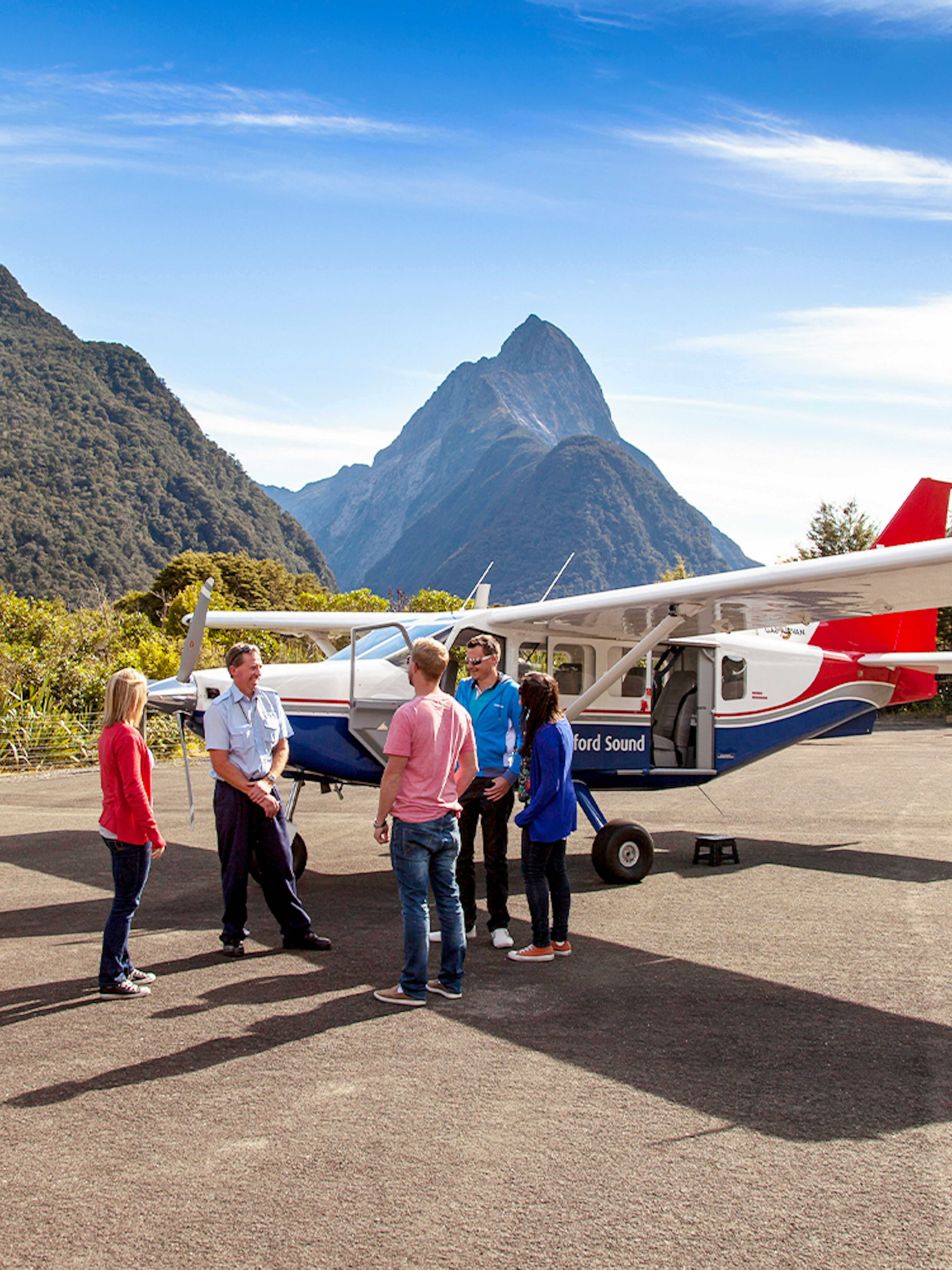
Fly & Cruise | Round-trip scenic flights, Milford cruise, pilot commentary | Cuts travel time sharply and adds aerial Fiordland views, but weather can affect departures. | NZ$749 |
Overnight Cruise | Cabin stay, dinner and breakfast, kayak or tender excursion | Gives you the most time on the fiord, including quieter evening and sunrise hours. | NZ$839 |
Things to know before booking your Milford Sound cruise tickets
Booking window
Milford Sound cruises should be booked ahead, especially for December–March departures and premium options; tickets may sell out weeks in advance.
What’s included
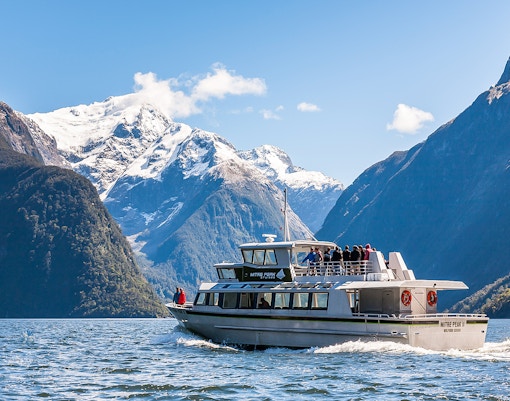
Most tickets include a 1 hour 45 minute to 2-hour cruise with indoor/outdoor viewing and English commentary, with optional multilingual audio.
Entrances & flow
Cruises depart from the Visitor Terminal with minimal check-in delays but possible boarding queues.
Ways to explore
Options include self-drive, coach-and-cruise, and flight combinations.
Add-ons
Upgrades can add extras like VIP lounges, dining, or tender excursions.
Policies & rules
Weather and operational factors may affect departures and boarding times.
Plan your Milford Sound cruise experience
- Operating hours: Most Milford Sound cruises run daily, generally between 9am and 5pm.
- Last departure: Final sailings usually leave around 3pm–4pm, depending on vessel and season.
- Cruise length: Cruise-only options usually last 1 hour 45 minutes to 2 hours 15 minutes.
- Check-in: Arrive at least 20 minutes before departure.
- Best time of day to go: Early and late sailings are typically quieter.
- Best season or month to visit: November to March, with calmer periods in April–May and September–October.
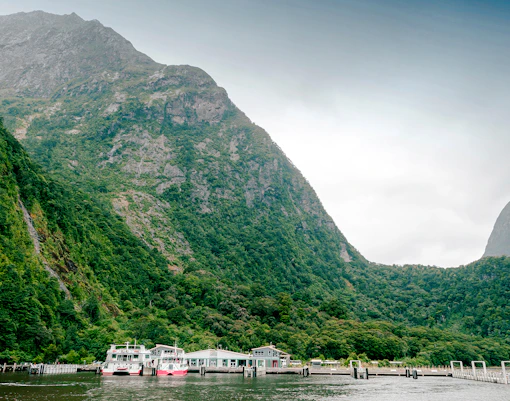
- Location: Cruise-only departures board at Milford Sound Visitor Terminal.
- Address: Milford Sound Visitor Terminal, Milford Sound 9679, New Zealand | Find on maps
Getting there:
- By car: SH94 is the only road in; the Homer Tunnel can affect travel times.
- Parking: Main terminal parking is closest; the foreshore walk takes about 5–10 minutes.
- Overflow and tours: Deepwater Basin parking requires a 25-minute walk; transfers vary by ticket.
- Physical effort: Standard cruises are low effort; walk and kayak upgrades need moderate fitness.
- Road time: Queenstown day trips are lengthy; Te Anau departures cut travel time.
- Weather dependency: Cruises sail in rain, though severe conditions can alter routes.
- Age or participation constraints: Some options have specific age rules.
- Accessibility notes: While the terminal is ramped, some vessels have steps and narrow gangways.
- Restrooms: Available at the terminal and on most vessels.
- Shelter: Heated indoor lounges for cold or windy conditions.
- Viewing space: Open decks are standard; some offer panoramic lounges.
- Food and drinks: Tea and coffee are typically included; options vary.
- Safety support: Lifejackets, crew briefings, and first-aid supplies are standard.
- Layers: A waterproof jacket and warm mid-layer are recommended.
- Footwear: Closed-toe, non-slip shoes for wet decks and paths.
- Weather extras: Sunscreen, sunglasses, and a hat are advisable.
- Bags: Small day bags work best; large luggage may be restricted.
- Food rules: Outside food is often restricted on cruise-only departures.
- Rainfall: Milford Sound receives about 6,800mm of rain annually.
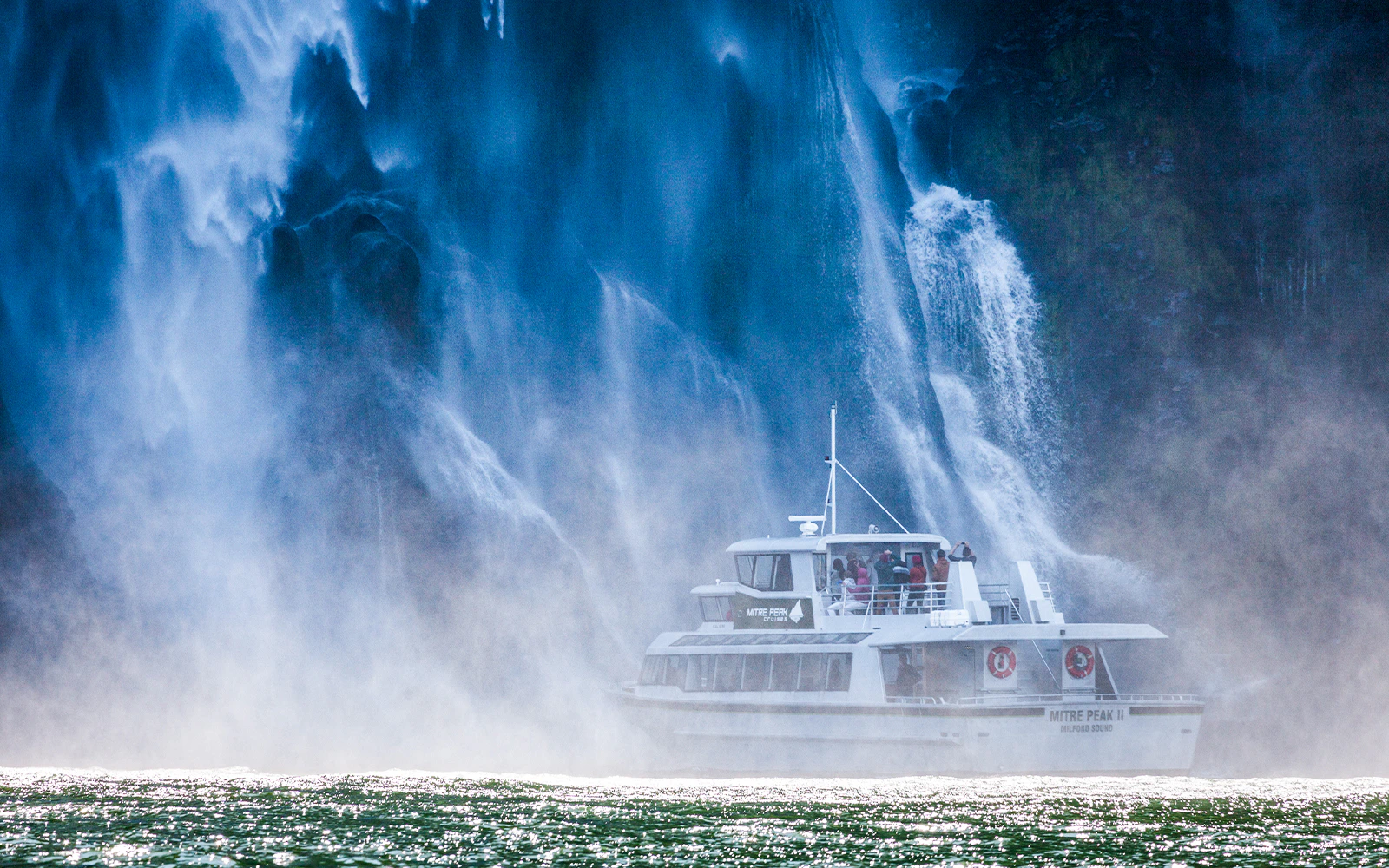
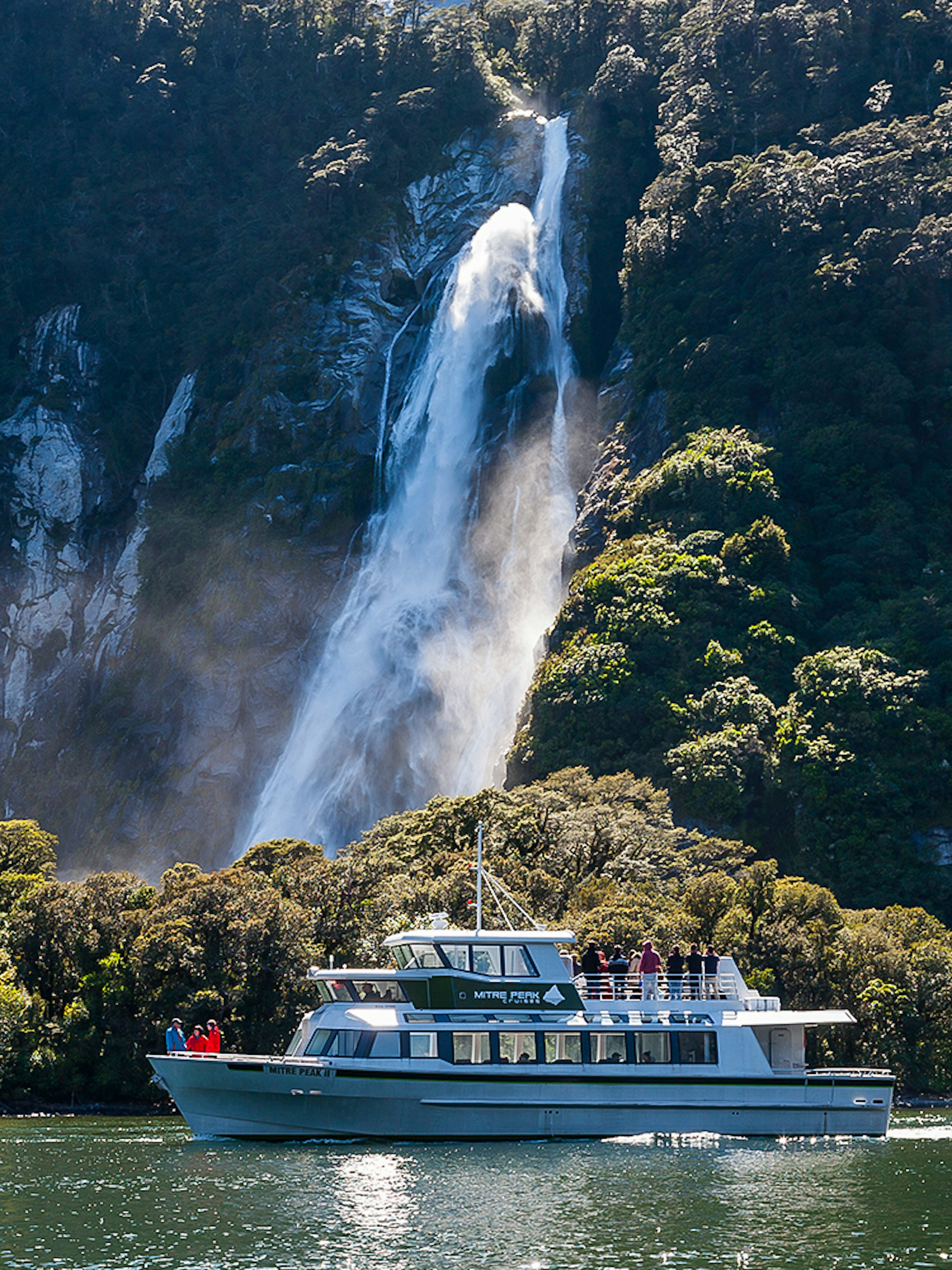
- What rain changes: Wet days intensify waterfalls, though mist may obscure views.
- Winter access: Snow and avalanches can close SH94 and the Homer Tunnel.
- Best seasonal fit: Summer offers longer daylight; shoulder seasons are calmer.
- Flight sensitivity: Scenic flights and helicopters are highly weather-dependent.
- Ticket check: Mobile or printed vouchers are scanned at the terminal.
- Photo ID: May be required to match the booking name.
- Arrival buffer: Self-drivers should allow an extra 30–60 minutes for parking and walking.
- Phone signal: Mobile coverage is limited; offline maps are useful.
- Audio guides: App-based commentary is common; charged phones and headphones are advised.
Tips & guidelines
On long coach days, wear layers you can peel off easily. Vehicles warm up while outdoor stops and decks remain cool, windy, or wet. Soft jackets can make napping more comfortable.
In summer, UV intensity is high even if it feels cool. Water and cliffs reflect light; use high-SPF sunscreen, a hat with a strap, and lip balm, reapplying after exposure.
Around foreshore and roadside stops, sandflies target ankles and wrists. Light socks, long sleeves, and avoiding stillness near bushes can help.
Near big waterfalls, camera lenses may fog and get wet. Pack a microfiber cloth, a waterproof cover, and use a wrist strap when leaning on railings.
Download audio-guide apps and offline maps before departure, as reception can drop quickly. A power bank keeps phones charged for photos and commentary.
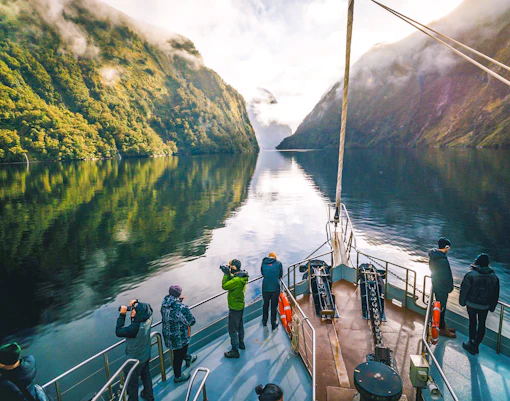
Onboard, alternate between indoor windows and outer decks; avoid blocking views and keep backpacks low while speaking quietly.
Frequently asked questions about Milford Sound cruise tickets
Cruise-only tickets usually last 1 hour 45 minutes to 2 hours on the water. Queenstown coach-and-cruise tours typically take 12–13 hours round trip, while Te Anau departures are about 8–9 hours. Fly-cruise options are faster, with scenic flight sectors around 35 minutes each way.
Cruise-only tickets depart from the Milford Sound Visitor Terminal at the fiord's head. For transfers from Queenstown or Te Anau, you still board at the same terminal after your transfer.
It depends on the ticket type. Most tickets include the boat cruise, commentary, and access to indoor lounges or outdoor viewing decks. Some also include tea and coffee, lunch, coach transfers, scenic flights, guided walks, kayak access, VIP lounge entry, or overnight cabins.
Not always. Cruise-only tickets are for guests meeting in Milford Sound. If you require transport, opt for coach-and-cruise, small-group road tours, scenic flights, helicopter, or coach-plus-fly options; departure points vary accordingly.
Arrive at least 20 minutes before departure for check-in. If self-driving, allow an extra 30–60 minutes for parking and the walk to the terminal. Late arrivals may miss the scheduled cruise.
Yes, especially for summer travel, premium cruises, and overnight options. Peak travel is roughly from November to March, with many travelers booking 30+ days ahead. Last-minute options are available but often with limited seating and upgrade choices.
Wear warm layers, a waterproof jacket, and sturdy non-slip shoes. Even on sunny days, the viewing decks can be cold, windy, and wet. Don’t forget sunscreen, sunglasses, insect repellent, and a camera.
Usually, yes. Cruises operate in most weather conditions, and rain can enhance the dramatic waterfalls. Cancellations are rare and typically occur only in extreme conditions; note that scenic flights and helicopter tours are more weather-dependent.
No, wildlife sightings are never guaranteed. However, fur seals and bottlenose dolphins are commonly seen, and some cruises occasionally spot Fiordland crested penguins when conditions are right.
Accessibility varies by vessel and transfer type. Some larger boats accommodate wheelchairs or prams, while smaller tours may have limitations. Always check vessel details if you require step-free boarding or accessible restrooms.
Many cruises welcome children and infants, but age requirements can vary. Some coach tours require approved child restraints, and certain experiences have minimum age limits. Always check the specific ticket policy.
Not always. Many standard tickets include only tea and coffee, while lunch may be offered as an add-on, such as a picnic, buffet, or gourmet upgrade. Check the inclusions before booking.
Photography is generally encouraged, but be considerate of other guests and wildlife. Drones typically require a permit, and outside food may be restricted. Large luggage is usually not permitted on board.
Most operators accept mobile vouchers at check-in, though some may ask for a photo ID matching the booking name. If booked through a reseller, arrive a bit early for verification.
It depends on the ticket type. Some tickets allow changes or cancellations within a notice period, while fixed-date options may be less flexible. In case of severe weather or safety issues, operators generally offer rescheduling or refunds.