Milford Sound Underwater Observatory | Status and what we know

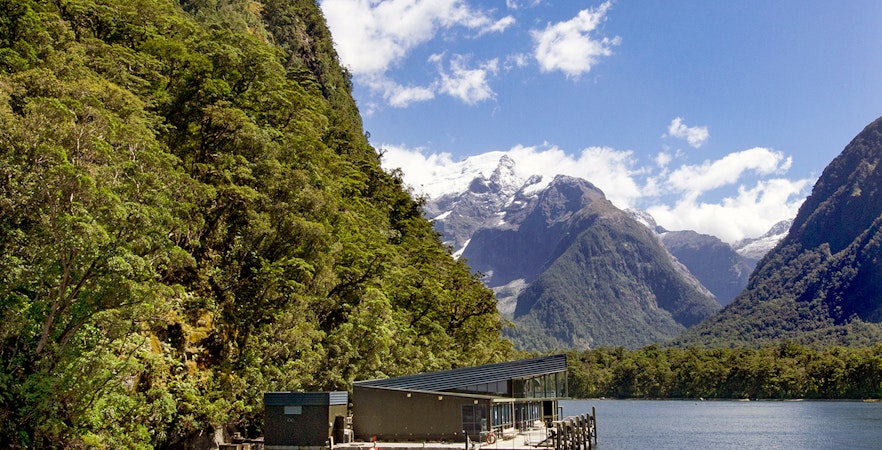
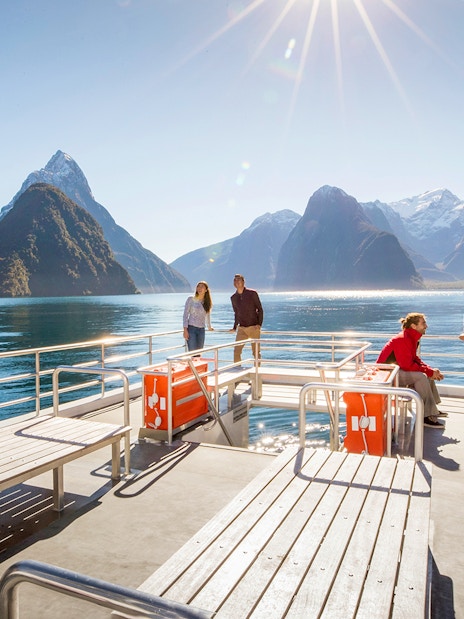
Set in Harrison Cove, the Milford Sound Underwater Observatory is the only floating facility of its kind in New Zealand. Visitors descend 10 metres below the surface to see rare black coral, colourful fish, and other deep-water species brought unusually close by Fiordland’s freshwater layer. Accessible only by cruise, it has long been a highlight of Milford Sound tours.

Closed for now due to storm damage.

The observatory was severely damaged in a storm in early September 2024: several pontoons, including the reception/docking pontoons, are partially submerged or leaning, and three of the five floating structures have been removed for repairs. Southern Discoveries is working with the Department of Conservation and engineers to secure the site, assess structural damage, and establish a recovery plan.

What Milford Sound's Underwater Observatory offers

Milford Discovery Centre
  • A dry, accessible way to experience Milford Sound’s marine world, no diving required.
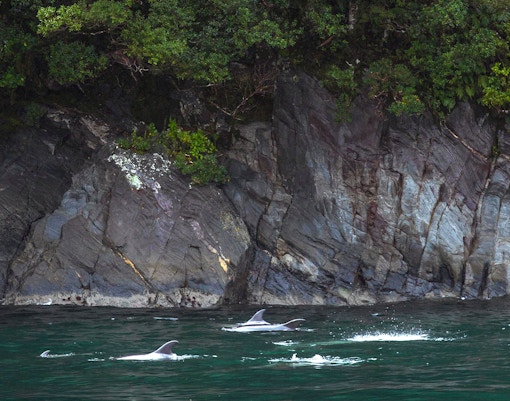
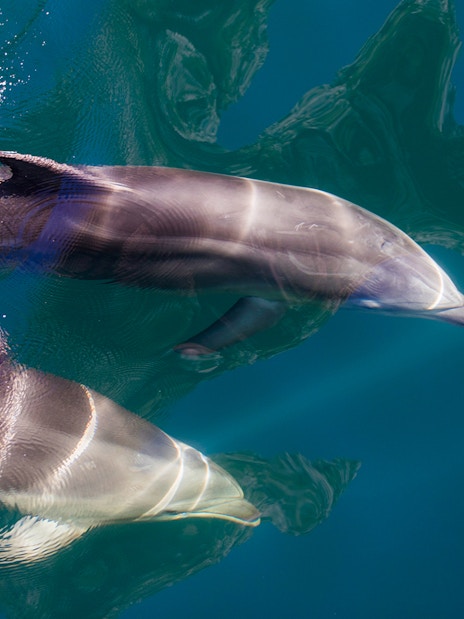
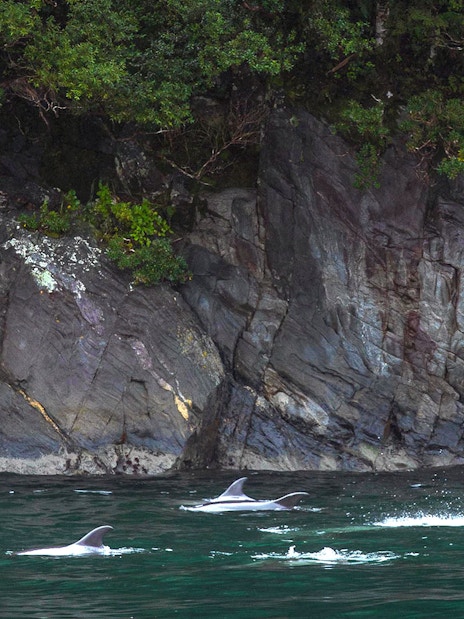
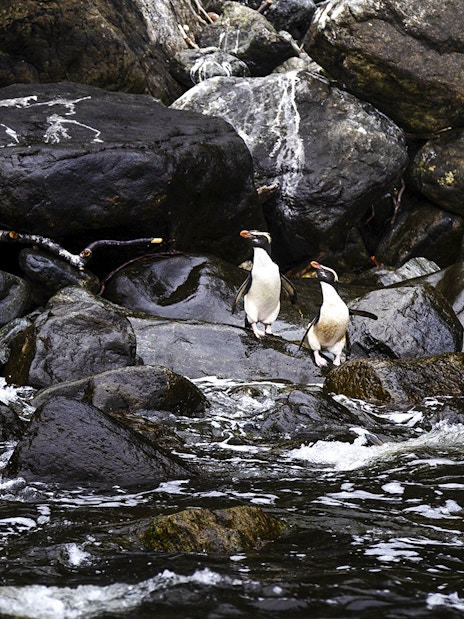
  • Rare sightings of black coral forests, sea anemones, butterflyfish, trumpeter, and sometimes Fiordland dolphins or penguins.
  • Built in 1990 as part of Milford’s eco-tourism story, it has about 75,000 visitors annually.
  • Part of the Te Wahipounamu UNESCO World Heritage Site, which also includes the surrounding Fiordland National Park.

Milford Sound Underwater Observatory in a nutshell

Milford Sound, New Zealand
  • Hours: Typically 8:30am – 5:30pm daily (seasonal variations apply; see Best time to visit).
  • Access: Only by selected cruise tours. Always confirm inclusions when booking.
  • Depth: 10 metres underwater, viewed from enclosed glass chambers.
  • Accessibility: Suitable for all ages and abilities, a dry, comfortable alternative to diving.
  • Booking context: Space is limited, so always check your chosen tour package for availability.

Why visit Milford Sound Underwater Observatory?

A perspective found nowhere else in New Zealand

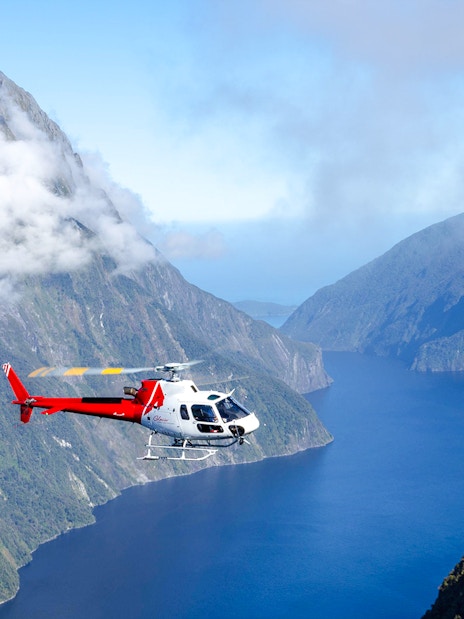
This is the country’s only floating observatory, set at Harrison Cove. Descend 10 metres into Fiordland’s inky depths for views you can’t experience on the cliffs above. Pair it with a Milford Sound cruise or scenic flight for a complete picture of the fiord.

Conservation in action

Entry fees have traditionally supported marine research and monitoring in Fiordland National Park. By visiting (when it reopens), you’re helping safeguard the ecosystems that make Milford Sound unique.

Accessible to all

No scuba training, wetsuits, or gear needed. The observatory was designed as a dry, enclosed space, making it family-friendly and suitable for all ages and abilities.

Adds depth to your Milford visit

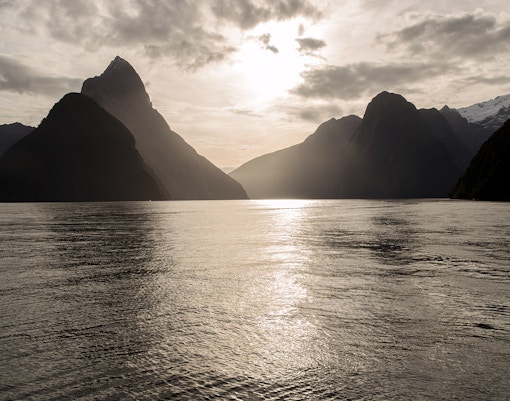
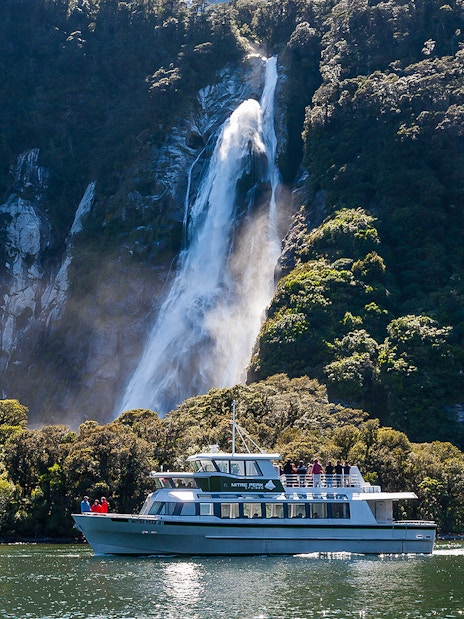
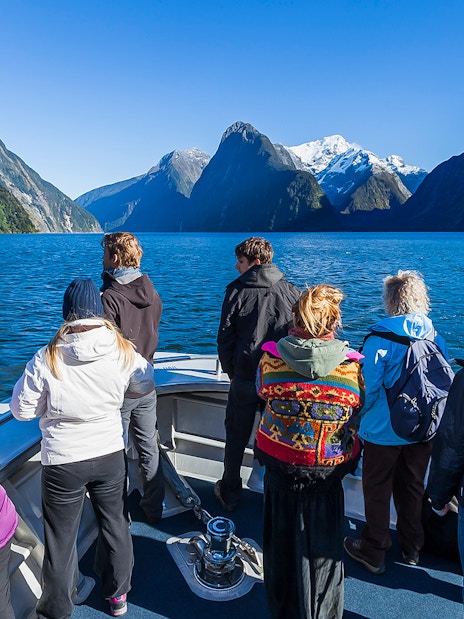
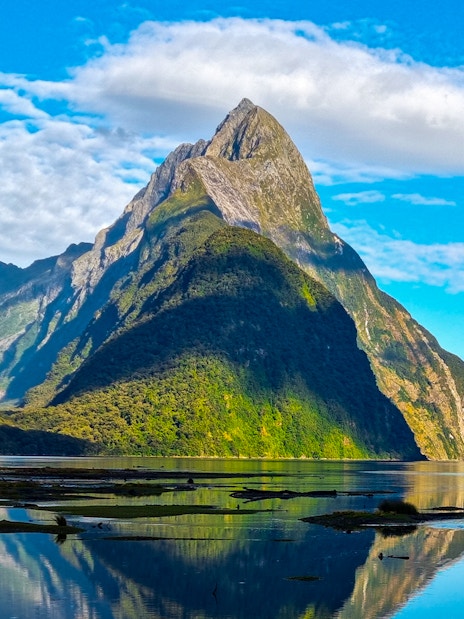
Beyond the waterfalls and peaks like Mitre Peak, the observatory reveals the hidden underwater world that gives Milford its rare mix of fresh and salt water.

Plan your visit to Milford Sound Underwater Observatory

Milford Discovery Centre

Timings: 8:30 AM to 5:30 PM; daily

Best time to visit: Summer months (December-February) offer warmer temperatures and longer daylight hours. However, rainfall can be higher. Winter months (June-August) have cooler temperatures and shorter days but offer calmer seas and potentially clearer underwater viewing.

To avoid peak crowds, visit during weekdays or shoulder seasons (spring and autumn).

Best time to visit the observatory
Milford Discovery Centre

Address: Harrison Cove, Milford Sound 9600, New Zealand

Find on Maps

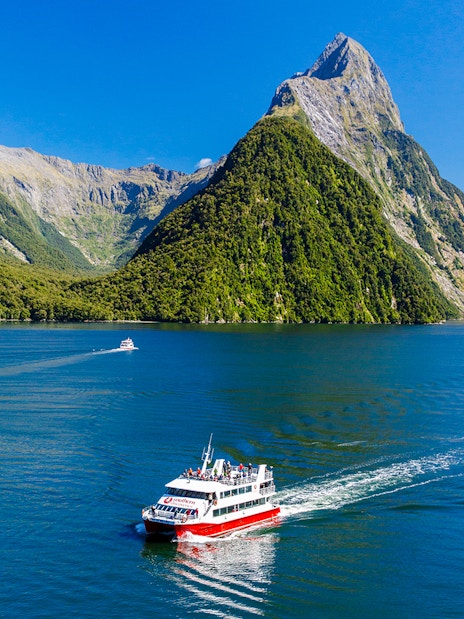
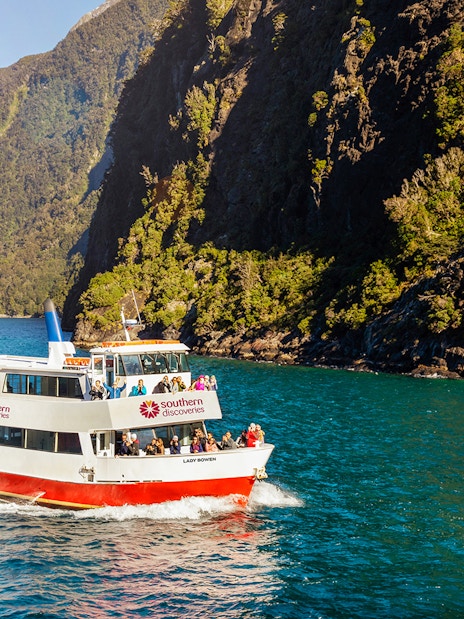
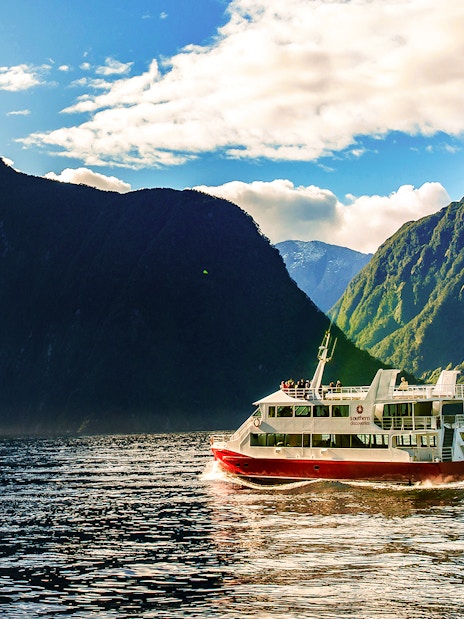
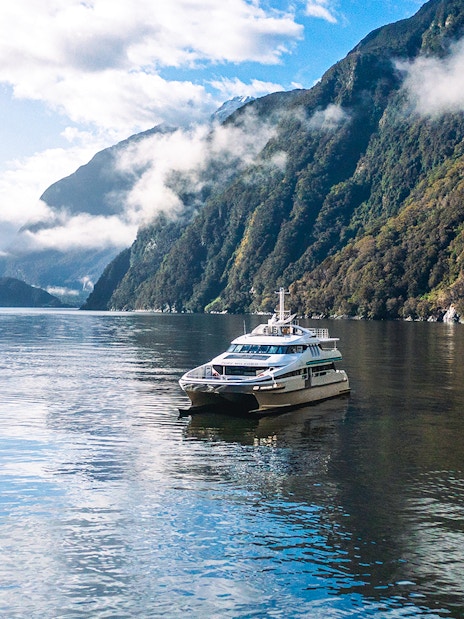
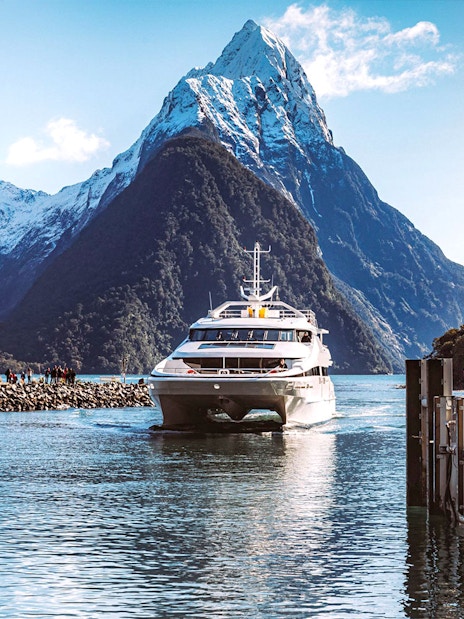
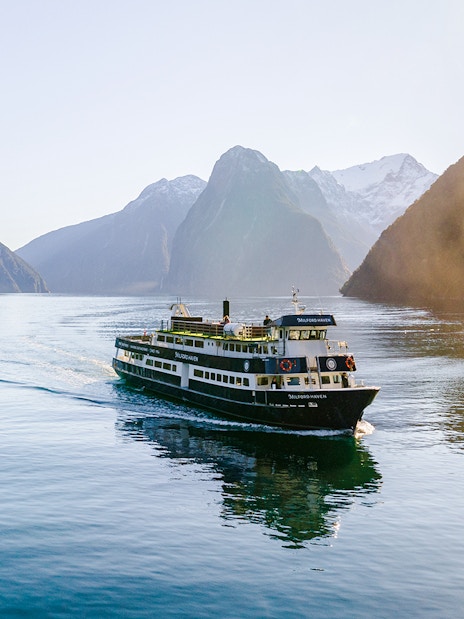
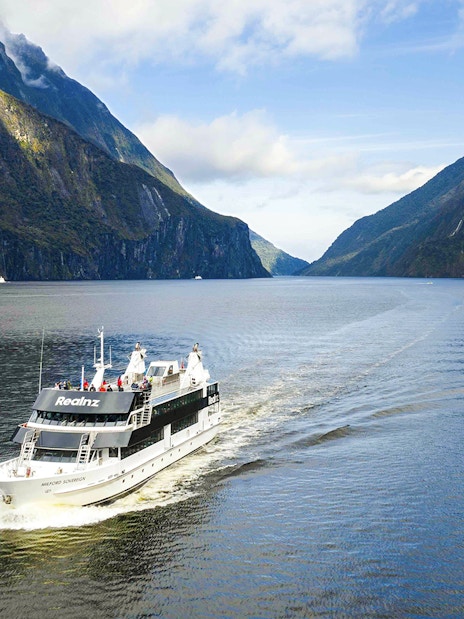
The Milford Sound Underwater Observatory is located in Harrison Cove, a picturesque inlet within Milford Sound/Piopiotahi, Southland, New Zealand. It's accessible only by boat tours offered by Southern Discoveries.

Getting to the observatory

Highlights of Milford Sound Underwater Observatory

Black Coral forests

Black Coral forests

Imagine an underwater gothic wonderland. Towering black coral, centuries old, weaves intricate forests that shelter a kaleidoscope of marine life. Keep your eyes peeled for shy shrimp, playful fish darting between branches, and maybe even a curious penguin peeking in.

Jellyfish in a lake
A crab underwater
Seaweed (Kelp), Underwater
An Eel at Milford sound

History of Milford Sound Underwater Observatory

Milford Sound, 1989, marked the emergence of a dream. John Roberts, a local visionary, envisioned an underwater observatory beneath the turquoise surface. Undeterred by skepticism and budget constraints, John's passion for the fiord's hidden wonders propelled him forward. Five years later, in 1994, his dream materialized as the world's first floating underwater observatory opened its hatches, unveiling the mesmerizing kaleidoscope of life below. Milford Sound's once-secret world was revealed, and John earned his place as a local legend, forever known as "Aquajohn."
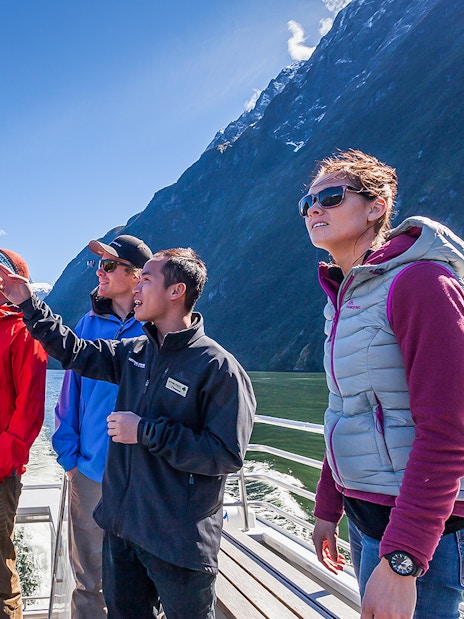
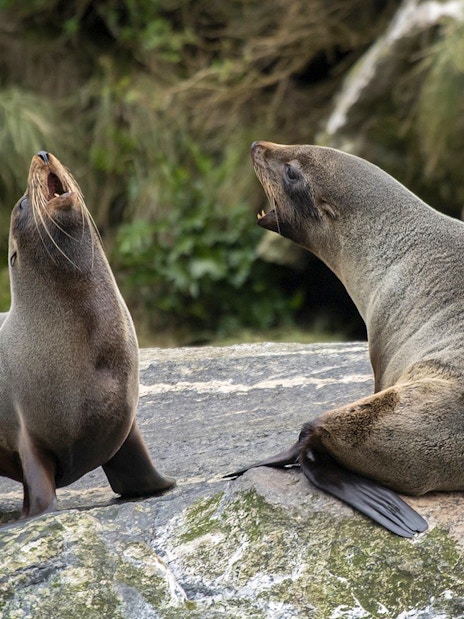
Delve deeper into the observatory's offerings, discovering a piece of the legendary 1968 shipwreck "Wahine" amidst the exhibits. Fast forward to 2017, when the Milford Sound Discovery Centre merged with the observatory, creating a hub for both above- and underwater wonders. As you explore, anticipate future chapters with research labs, underwater art installations, and live-streamed glimpses of the fiord's hidden wonders.

Learn more about Milford Sound

Frequently asked questions about Milford Sound Underwater Observatory

It's New Zealand's only floating underwater observatory, offering a window into the fascinating marine life hidden beneath Milford Sound's turquoise waters. Accessible by boat, it allows you to observe creatures and ecosystems that thrive beyond the surface, even without diving.